
Mercedes-Benz Maintenance Schedule: When Should You Service Your Vehicle?
2026-08-12
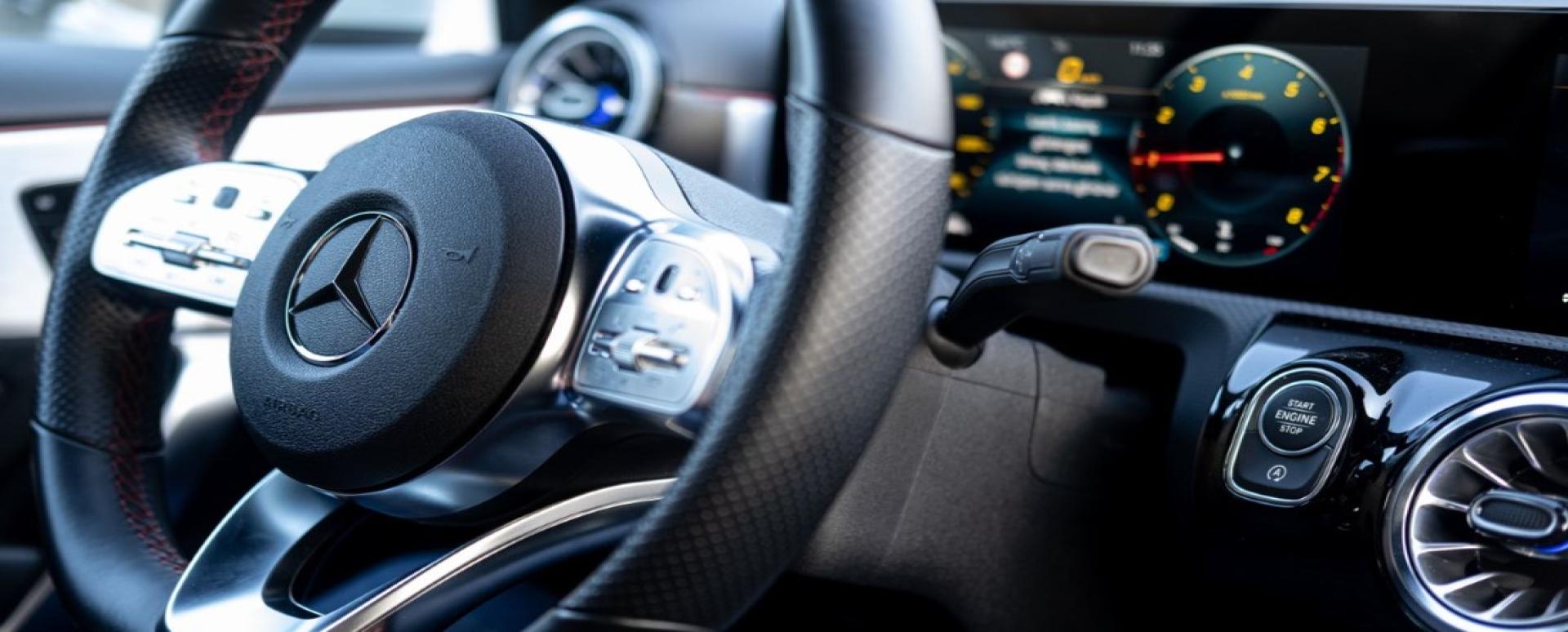
Owning a Mercedes-Benz is about more than getting from one place to another. Whether you drive a C-Class, E-Class, GLC, GLE, AMG model or a Mercedes van, your vehicle has been engineered to deliver a high standard of performance, comfort and refinement.
Keeping it that way requires regular Mercedes maintenance.
Following the correct Mercedes-Benz maintenance schedule can help protect your engine, maintain safety and performance, identify developing problems early and potentially prevent expensive repairs. But how often should you actually service your Mercedes? What is the difference between Service A and Service B? And when should items such as engine oil, filters, brake fluid and other components be checked or replaced?
Here’s what Mercedes owners need to know.
How Often Should You Service a Mercedes-Benz?
There isn't one universal service interval that applies to every Mercedes-Benz.
The appropriate Mercedes service intervals can vary according to the model, engine, age, specification and operating conditions of the vehicle. Your Mercedes-Benz service indicator is therefore one of the most important guides to when maintenance is due.
Mercedes-Benz New Zealand states that its vehicles have model-dependent service intervals and that servicing is generally based on a specified distance or one year, whichever occurs first. The vehicle's instrument cluster also indicates when scheduled maintenance is required.
For a lot of owners, that means an annual service will be necessary even if the vehicle has covered relatively few kilometres.
The best approach is simple: follow the service information displayed by your vehicle and the maintenance requirements specified for your particular model rather than relying on a generic kilometre figure.
At MercSpec, we can help determine the appropriate maintenance requirements for your Mercedes and ensure the work carried out suits the vehicle rather than taking a one-size-fits-all approach.
Understanding Mercedes Service A and Service B
Mercedes-Benz commonly organises scheduled maintenance around Service A and Service B, which alternate at regular intervals.
Although the exact work required depends on your Mercedes model, age and service schedule, the system is designed to ensure that important maintenance and inspections are performed throughout the vehicle's life.
Mercedes Service A
Service A generally focuses on essential routine maintenance and inspections.
Depending on the vehicle and manufacturer schedule, this can involve tasks such as:
- Engine oil replacement
- Oil filter replacement
- Fluid level checks
- Tyre checks
- Brake inspections
- General vehicle inspections
- Resetting the maintenance/service indicator
Your Mercedes may require additional work depending on its age, mileage and condition.
Mercedes Service B
Service B is generally a more comprehensive scheduled service.
It incorporates routine maintenance while allowing for additional inspections and maintenance items specified by Mercedes-Benz for the vehicle.
Mercedes-Benz New Zealand describes Service A and Service B as alternating maintenance packages. Both involve thorough vehicle checks, oil changes and replacement of components according to manufacturer guidelines, while Service B includes additional checks relating to safety and vehicle operation.
That distinction is important because simply booking an oil change each year isn't necessarily the same thing as following the complete Mercedes maintenance schedule.
Why Your Mercedes Oil Service Is So Important
Engine oil is one of the most important fluids in your Mercedes.
Modern Mercedes-Benz engines are highly engineered, with tight tolerances, sophisticated turbocharging systems and precise electronic management. Engine oil lubricates moving components, reduces friction, helps manage heat and assists in protecting the engine from wear and contamination.
Over time, however, oil deteriorates.
Heat, combustion by-products and normal engine operation gradually reduce its effectiveness. That's why a regular Mercedes oil service is fundamental to preventative maintenance.
An oil service typically includes replacing the engine oil and oil filter with products suitable for the particular engine.
Using oil with the correct specification is particularly important. Not every synthetic engine oil is suitable for every Mercedes-Benz engine, so the oil needs to meet the requirements specified for your particular vehicle.
Delaying oil servicing can potentially contribute to accelerated engine wear, sludge deposits and problems involving components that depend on effective lubrication.
For a high-performance or technologically sophisticated engine, saving a small amount by postponing routine oil maintenance can prove expensive later.
Other Important Mercedes Maintenance Items
Regular Mercedes maintenance extends well beyond changing engine oil.
Your maintenance requirements will depend on the exact model and engine, but several other areas need periodic attention.
Brake Fluid
Brake fluid absorbs moisture over time, which can affect its performance. It should therefore be inspected and replaced according to the vehicle's prescribed maintenance schedule.
Because the braking system is fundamental to vehicle safety, brake fluid maintenance shouldn't be ignored simply because the brakes appear to be functioning normally.
Air and Cabin Filters
Filters protect both your vehicle and its occupants.
The engine air filter helps prevent contaminants from entering the engine, while cabin filters help remove dust and other particles from air entering the passenger compartment.
Replacement intervals depend on the vehicle and operating environment.
Brakes
Brake pads and discs are wear items rather than components that always need replacement at a fixed mileage.
Driving style makes a significant difference. A vehicle regularly driven in urban traffic may wear its brakes differently from one that spends most of its life travelling longer distances.
Routine servicing provides an opportunity to inspect brake condition before worn components become a safety issue.
Tyres
Mercedes-Benz vehicles rely on correctly specified tyres and appropriate tyre pressures to deliver the handling, braking and comfort expected from the marque.
During maintenance, tyres should be checked for tread depth, uneven wear, damage and pressure.
Uneven wear can also indicate alignment or suspension problems that deserve further investigation.
Transmission and Driveline
Mercedes-Benz has used numerous automatic transmissions and driveline configurations over the years, and maintenance requirements vary significantly between them.
Transmission fluid and filter changes may be required at particular intervals depending on the transmission fitted to your vehicle.
This is another reason not to rely on a generic maintenance chart found online. The correct schedule should be determined using your specific Mercedes model and drivetrain.
What About Low-Mileage Mercedes Vehicles?
One common misconception is that a Mercedes doesn't need servicing if it hasn't travelled many kilometres.
Mileage is only part of the equation.
Fluids deteriorate with time, moisture can accumulate, batteries age and rubber components can deteriorate regardless of how far the vehicle has travelled.
A Mercedes that covers only a few thousand kilometres each year may therefore still require annual maintenance.
In fact, vehicles that spend extended periods parked or make frequent short journeys can experience their own maintenance issues. Short trips may not always allow the engine and fluids to reach normal operating temperature for long enough, while long periods without use can affect batteries, brakes and tyres.
Follow the vehicle's time-based servicing requirements as well as its mileage requirements.
Don't Ignore Your Mercedes Service Reminder
Modern Mercedes-Benz vehicles make maintenance easier by providing dashboard reminders when a service is approaching or due.
It can be tempting to dismiss the message and continue driving, particularly if the vehicle seems perfectly normal.
However, scheduled maintenance is preventative.
The purpose isn't simply to repair something after it fails. It is to inspect, service and replace appropriate components before deterioration develops into a larger problem.
When your Mercedes indicates that servicing is due, arranging an appointment promptly is a sensible way to protect the vehicle.
Why Preventative Mercedes Maintenance Pays Off
Mercedes-Benz vehicles combine mechanical engineering with increasingly sophisticated electronics, sensors, control modules and software.
Small problems can sometimes develop into larger and more costly faults when left unattended.
Routine servicing gives an experienced Mercedes specialist an opportunity to inspect the vehicle and identify issues before they become more serious.
Preventative maintenance can help:
- Maintain engine performance and efficiency
- Reduce avoidable mechanical wear
- Support braking and vehicle safety
- Identify fluid leaks early
- Detect abnormal tyre or suspension wear
- Reduce the likelihood of unexpected breakdowns
- Maintain a useful service history
- Protect the vehicle's long-term condition and resale appeal
Regular maintenance should be viewed as part of the cost of protecting the vehicle rather than simply another expense.
Why Choose a Mercedes Specialist?
Mercedes-Benz vehicles have become increasingly complex.
Modern models can contain sophisticated engine-management systems, electronic control modules, driver-assistance technology, complex transmissions and extensive onboard diagnostics.
That makes specialist knowledge and suitable diagnostic equipment increasingly valuable.
MercSpec is an independent Mercedes specialist based at 126 Newton Street, Mount Maunganui, Tauranga, providing Mercedes servicing, repairs and diagnostic services.
Our workshop uses specialist diagnostic equipment to help accurately identify problems, while our experience with Mercedes vehicles allows us to provide maintenance suited to the requirements of the marque.
Whether your vehicle needs scheduled maintenance, a Mercedes oil service, diagnostics or repairs, having the work carried out by technicians familiar with Mercedes-Benz systems can help ensure potential problems are properly identified and addressed.
Signs Your Mercedes May Need Attention Before Its Scheduled Service
Scheduled servicing is important, but you shouldn't wait for the next service interval if the vehicle is showing signs of a problem.
Arrange an inspection if you notice symptoms such as:
- Warning lights on the dashboard
- Unusual engine noises
- Oil or coolant leaks
- Changes in braking performance
- Vibration through the steering wheel
- Rough running or loss of power
- Transmission hesitation or unusual shifting
- Increased fuel consumption
- Electrical faults
- Unusual smells or smoke
A warning light or unusual behaviour is the vehicle telling you something has changed. Early diagnosis can often make the difference between a straightforward repair and a much more expensive one.
Keep Your Mercedes Maintenance Up to Date
There is no better maintenance strategy than consistency.
Follow the service reminder in your vehicle, use the correct fluids and components, address warning signs promptly and make sure additional maintenance items are completed when required for your particular Mercedes.
Most importantly, remember that Mercedes service intervals vary between models. Your vehicle's age, engine, transmission, mileage and service history all influence what maintenance is required.
If you're unsure when your Mercedes was last serviced or what maintenance is due next, MercSpec can help.
Our Mercedes specialist workshop in Mount Maunganui provides professional servicing, maintenance, diagnostics and repairs for Mercedes owners throughout Tauranga and the wider Bay of Plenty.