
Mercedes Transmission Repairs: What Every Owner Needs to Know
2026-05-01
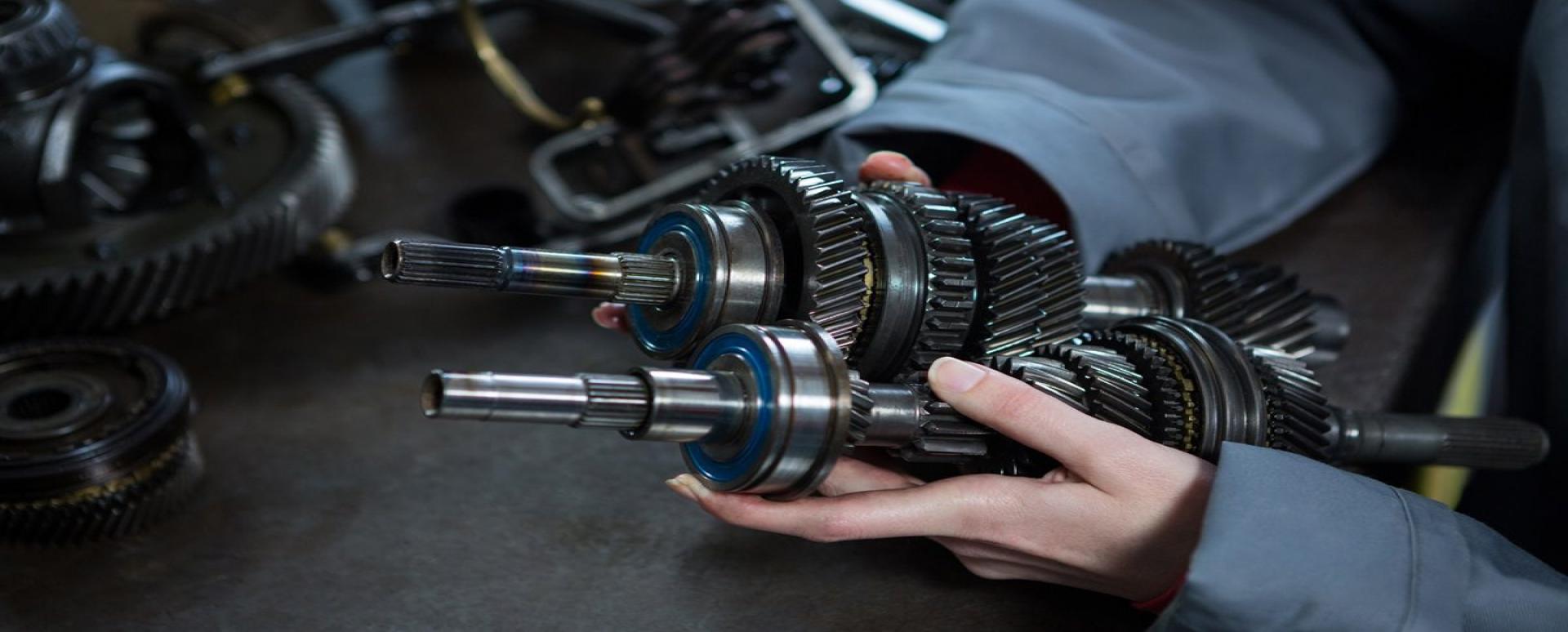
The transmission is responsible for transferring power from the engine to the wheels. When it begins to fail, you may notice warning signs such as delayed gear changes, slipping, or unusual noises. These symptoms should never be ignored, as early diagnosis can prevent minor issues from turning into major repairs.
Mercedes transmissions—especially automatic ones—are very highly sophisticated, with electronic components, solenoids, and control modules working together. This complexity is one reason repairs can be more expensive compared to standard vehicles.
Common Mercedes Transmission Problems
Some of the most frequent issues include:
- Slipping gears– Often caused by worn clutch packs or low fluid levels
- Delayed shifting– Linked to valve body faults or electronic issues
- Harsh or jerky changes– Usually due to solenoid or sensor problems
- Fluid leaks– From damaged seals or transmission pans
If left untreated, these problems can escalate into major failures requiring a rebuild or replacement.
Repair Costs and What to Expect
Transmission repair costs can vary significantly depending on the issue. Minor fixes like fluid changes or sensor replacements may cost a few hundred dollars, while major repairs or rebuilds can run into thousands. In New Zealand, repairs can range from around $300 for minor work to over $7,000 for full rebuilds or replacements.
Luxury vehicles like Mercedes-Benz often sit at the higher end of this range due to specialised parts and labour.
Why Choose a Mercedes Specialist
Working with a Mercedes specialist, such as the team at MercSpec, ensures accurate diagnostics and high-quality repairs. Specialists understand model-specific issues like Transmission Control Unit (TCU) faults and can provide targeted solutions that general mechanics may miss.
Frequently Asked Questions
Q1: How do I know if my Mercedes transmission needs repair?
Common signs include slipping gears, delayed engagement, warning lights, and unusual noises. If you notice any of these, book an inspection immediately.
Q2: Can transmission problems be fixed without replacement?
Yes, many issues—such as leaks, solenoid faults, or software errors—can be repaired without replacing the entire transmission.
Q3: How often should I service my Mercedes transmission?
Regular servicing, including fluid changes, is recommended every 40,000–60,000 km to maintain performance and longevity.
Q4: Is it safe to drive with a faulty transmission?
No. Driving with transmission issues can worsen damage and may leave you stranded or cause safety risks.
Q5: How can I prevent transmission problems?
Routine maintenance, avoiding aggressive driving, and addressing issues early are key to preventing costly repairs.
Proper maintenance and timely repairs are essential to keeping your Mercedes running smoothly. If you suspect transmission issues, consulting a trusted specialist like MercSpec can save you time, money, and stress in the long run.